Looking for a La Matera Alternative? 4 Belt Brands to Know
Sometimes looking for an alternative does not mean there is anything wrong with the original brand. Maybe you found something you liked, but the price made you hesitate, your size was gone, or the overall idea appealed to you more than the exact belt in front of you.
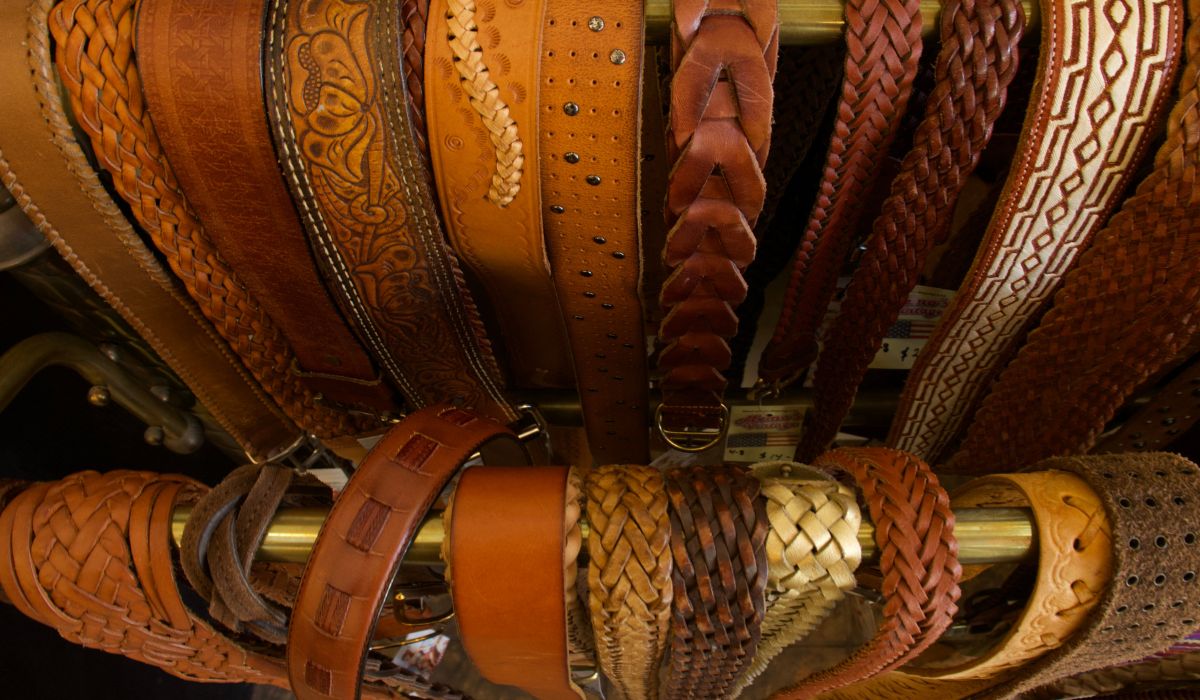
La Matera is an easy brand to end up in that situation with. Its belts have a recognizable Argentine and equestrian influence, with substantial leather, colorful embroidery, woven fabric, and enough detail to make the belt part of an outfit rather than purely functional. Many of its core polo and woven belts are currently around $195, which is enough that I would want to really like the one I was ordering.
I have ridden and shown horses for years, played polo, and spent time in Argentina around gauchos and the sport, including visits to Palermo. The heavier leather, embroidered patterns, and interchangeable buckles in this category feel familiar to me, and what surprised me once I started looking beyond La Matera was how many different directions other brands take with the same broad idea.
Some stay close to Argentine tradition. Others keep the handmade, colorful part and move farther into Western, preppy, or traditional leather territory. If you like La Matera but have not found the right belt yet, these are the brands I would have open in another tab.
At a Glance
| Brand | What It’s Known For | Construction / Materials | Typical Price Range | Overall Feel |
|---|---|---|---|---|
| La Matera | Argentine polo and woven belts | Leather with hand embroidery, woven fabrics, removable-buckle styles | Around $195 | Polished, equestrian, Argentine-inspired |
| Zilker Belts | Argentine craftsmanship mixed with Austin/Texas culture | Leather, embroidery, Argentine fabric, removable buckles; construction varies by style | Around $125 | Casual, Western, colorful, place-driven |
| GauchoLife | Traditional Argentine and gaucho style | Woven Guarda Pampa textiles, embroidered leather, Argentine-made goods | Around $90 | Traditional, cultural, strongly Argentine |
| Smathers & Branson | Needlepoint belts tied to schools, sports and interests | Hand-stitched needlepoint with leather backing and removable buckles | Around $195 | Preppy, graphic, highly personal |
| Hanks Belts | Substantial traditional leather belts | Full-grain leather, heavier construction, screw-mounted buckles on some styles | Around $100 | Simple, durable-looking, traditional |
What Makes La Matera Appealing in the First Place?
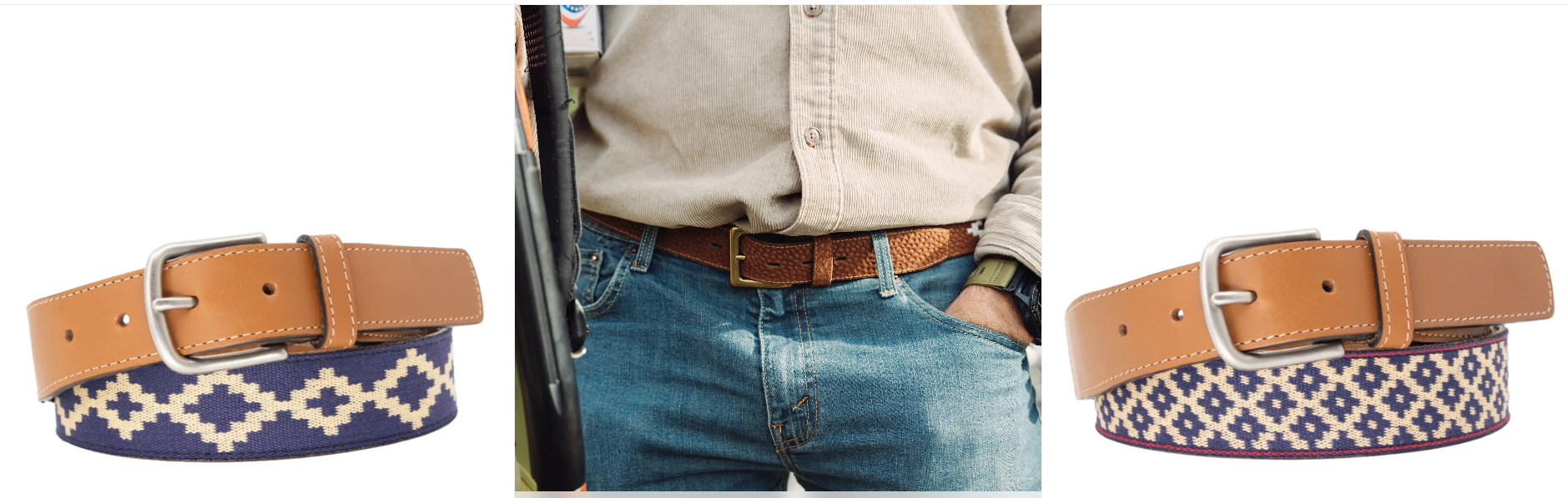
La Matera is probably best known for its polo belts, and those are a good place to understand what the brand is doing. Traditional styles combine Argentine saddle leather with colorful embroidery worked directly into the leather, so the pattern is not a small accent near the buckle. It runs around the belt and becomes the most noticeable thing about it.
Certain styles also use full-grain, vegetable-tanned leather, which starts out fairly structured and develops more character as it is worn. That kind of leather tends to look better with some wear, especially if you like a little patina instead of a perfectly new finish.
Then the collection branches out. There are woven belts where textile becomes a much larger part of the design, removable-buckle styles, and other constructions that move further away from the first La Matera belt you may have seen.
That breadth is part of the draw. Someone may arrive because they like the classic embroidered polo belt and end up preferring one of the woven styles instead. La Matera gives you several versions of the Argentine-influenced look without making them all feel like the same belt in different colors.
The overall styling is fairly polished. There is an equestrian reference behind the belts, but you do not need riding boots or a polo mallet to make one work. Jeans or khakis are enough to give the embroidery or woven fabric some room to stand out.
Zilker Belts
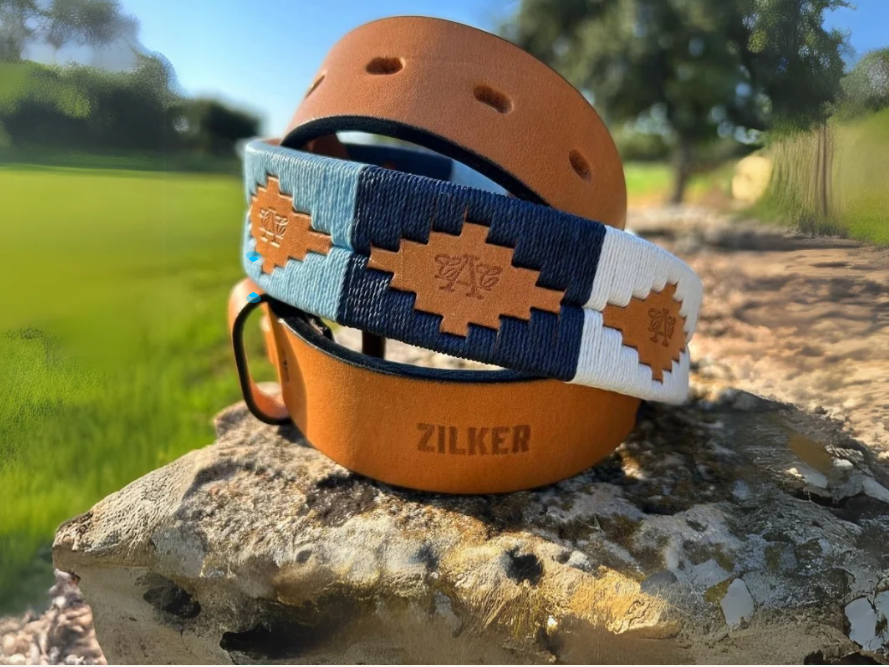
Zilker Belts is the first place I would look if you like the Argentine craftsmanship and color but want something that feels a little more casual or Western. The company is based in Austin, and that connection shows up in designs and collaborations tied to Texas, music, local places, UT, and Western culture.
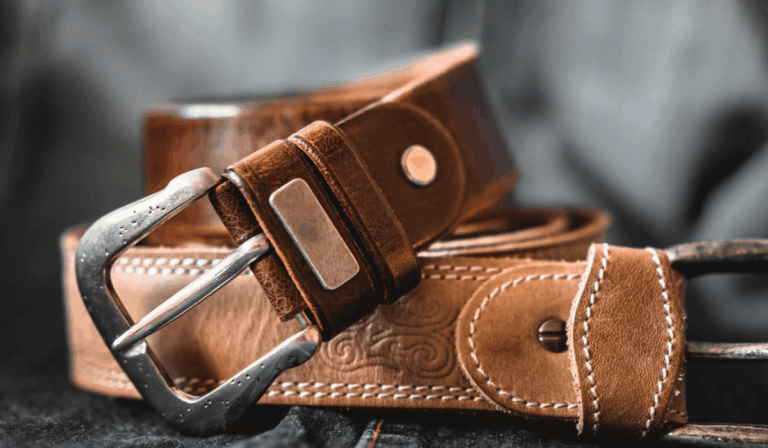
The belts are not all made the same way, either. The Rancho, one of the two Zilker belts I own, uses full-grain leather with embroidery and a removable solid-brass buckle. The Drewski goes another direction with Argentine woven fabric backed by leather, also with a removable buckle.
The Rancho and Drewski also show how much the construction can vary within Zilker’s lineup. The Rancho is more structured and leather-forward, while the Drewski has more texture from the woven fabric. From actually wearing them, my Rancho has softened without losing its shape, and the Drewski fabric and stitching still look clean.
Other Zilker styles lean more into the traditional Argentine look, with leather and colorful stitching done by hand in Buenos Aires. Because the materials and construction vary from one belt to another, it is worth checking the individual product details.
Many core adult belts currently sit around $125, which puts Zilker below a lot of La Matera’s current polo and woven styles without making it a budget belt. The brand’s positioning is still premium and craftsmanship-led, with the value coming from materials, handwork, design, and the cultural connections around individual styles.
Zilker also sells directly online and through select retailers, with its strongest physical presence in Texas and additional stockists elsewhere. If seeing one in person matters, I would check the store locator and contact the individual shop before making a trip because not every retailer carries every design or size.
GauchoLife
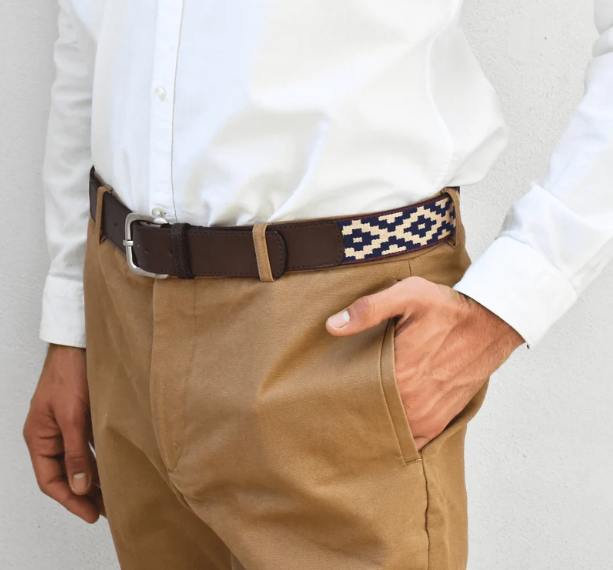
The first thing I would look at from GauchoLife is the Guarda Pampa belt because it immediately shows why this brand belongs in the conversation. Instead of embroidery being worked into a leather belt, woven textile becomes a much larger part of the design, with geometric patterns and color doing most of the visual work.
GauchoLife describes itself as an Argentine family business, and the broader assortment includes products tied to Argentine life beyond belts, including mate gear, grilling accessories, and other goods.
Its adult Guarda Pampa and embroidered belts are generally around $90. A woven Guarda Pampa belt has more visible textile and a softer visual texture than a traditional embroidered polo belt, so even though both live in the Argentine-inspired category, they do not look interchangeable once you compare them.
GauchoLife also sells embroidered leather styles, so you are not locked into woven fabric. What stays fairly consistent is how directly the Argentine and gaucho side of the product comes through.
If that cultural connection is the part of La Matera that originally pulled you in, this is probably one of the more natural places to keep browsing. The lower price may be a bonus, but I would still choose based on the specific belt because a woven Guarda Pampa style is not automatically a substitute for an embroidered leather one. GauchoLife primarily operates through their online website.
Smathers & Branson
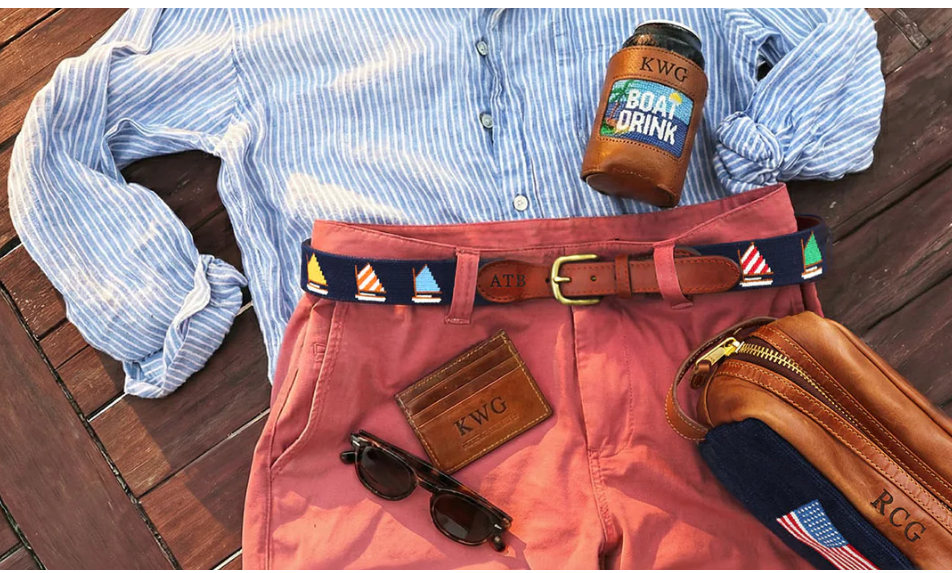
Smathers & Branson takes the colorful handmade belt idea somewhere completely different. The company is known for needlepoint, with belts that are hand-stitched and then finished with leather backing and removable buckles.
Needlepoint lets the design become much more literal than the embroidery or woven patterns you see on the Argentine-inspired brands. Smathers & Branson can put college logos, golf imagery, animals, flags, cities, sports, and other very specific interests around a belt.
That is where the brand becomes especially useful for gifting. Buying somebody a decorative belt can get strangely difficult when your only information is that they might wear brown shoes and own several pairs of jeans. A school, sport, city, or hobby gives you an actual clue about which design might mean something to them.
Many of the standard belts currently sit around $195, so this is not where I would go if the goal were simply to spend less than La Matera. The visual style is also much more preppy, and someone specifically looking for Argentine leatherwork may decide pretty quickly that needlepoint is not what they had in mind.
The overlap is less about construction and more about the idea of buying a belt with some personality behind it. La Matera gets there through Argentine craft and equestrian influence, while Smathers & Branson can get extremely specific about the person wearing it.
The brand is sold through its own site and various specialty retailers, so depending on where you live, it may also be easier to come across in person than some of the more niche Argentine-focused brands.
Hanks Belts
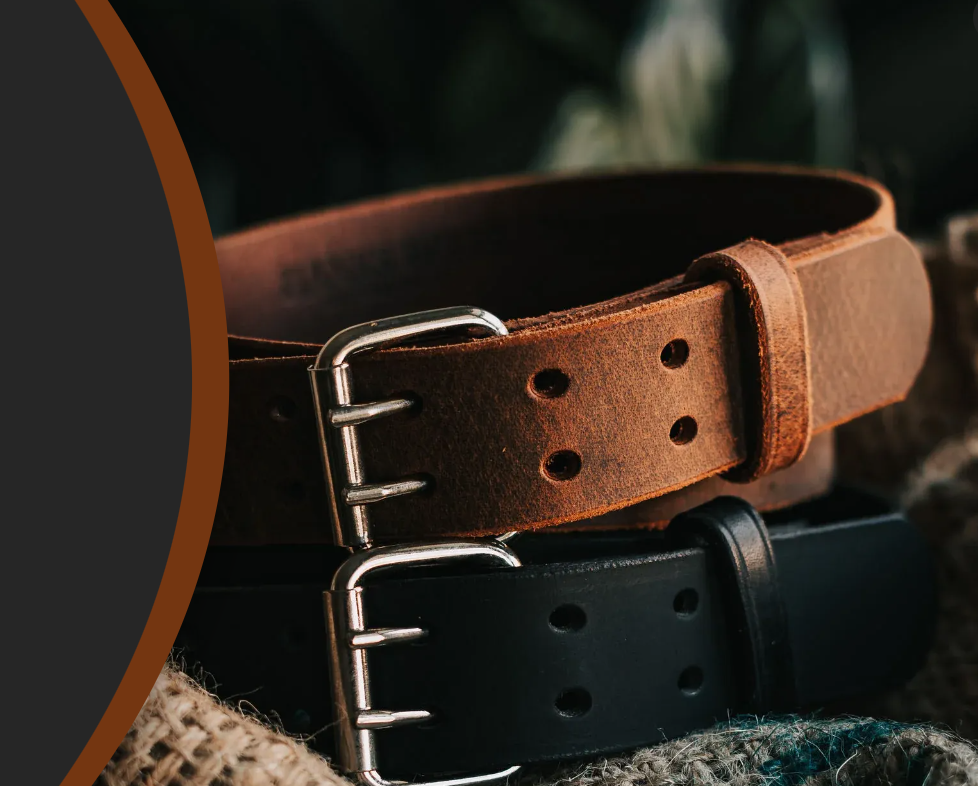
Hanks barely looks like the other brands here, which is exactly why I think it belongs. Someone can start out looking at La Matera because they are finally willing to spend more on a belt and then realize the embroidery was never really the part they cared about.
Hanks focuses much more heavily on substantial leather construction. Many styles use thick full-grain leather, are made in the U.S., and use screw construction at the buckle. The Everyday is a good example of this approach: a solid piece of full-grain steer hide with a conventional buckle rather than woven fabric or decorative embroidery. Other styles move into buffalo leather, lined construction, dressier finishes, or heavier work-oriented builds.
Some of the simpler belts start below $100, while more involved styles move comfortably past that. Hanks also backs many of its belts with a 100-year warranty, which tells you where the emphasis is. The product story is much more about leather and construction than color or cultural references.
A brown Hanks belt can almost disappear into an outfit, and for some people that is exactly what they want. You lose most of the visual personality that probably brought you to La Matera in the first place, but you gain a much more conventional belt where leather type, thickness, width, and hardware become the things you are comparing.
Certain styles also use screws that allow the buckle to be changed. I spent years using my own buckles with horse-show belts, so that is still one of those features I automatically check even when it is not the main reason I am shopping.
Hanks makes the most sense if the search has gradually changed from “I want something like La Matera” into “I want to buy one substantial leather belt and stop replacing cheaper ones.” It is not trying to recreate the same aesthetic, and I would not send somebody there if colorful Argentine embroidery was the whole point.
Availability Is Worth Checking Before You Settle on One
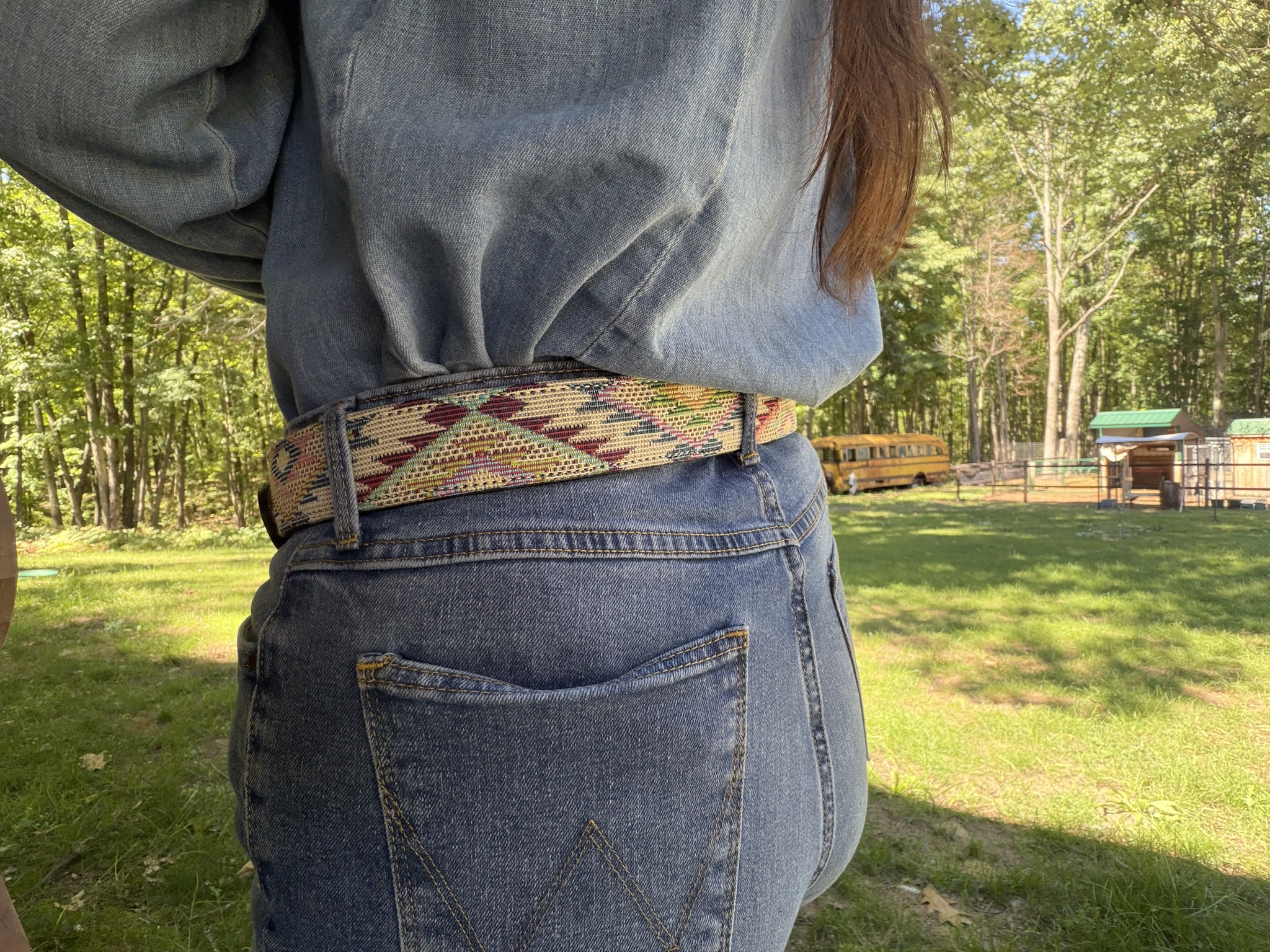
With this kind of belt, the exact pattern or color is often a big part of why you want it in the first place. A plain brown belt can usually be swapped for another without much thought, but once you have settled on a particular embroidery pattern, woven color, or college design, the alternatives may not feel close enough.
La Matera regularly carries a mix of core and limited styles on their website and in select stores. Zilker sells online and through select retailers, although store assortments vary, while Smathers & Branson also has retail distribution beyond its own site. GauchoLife is more likely to be an online purchase for many U.S. shoppers.
If you are buying for a birthday, holiday, or other deadline, I would check stock before spending too much time debating between two designs. If you are shopping for yourself and do not mind waiting, I would be less inclined to settle for a second choice just because it happens to ship today.
Where I’d Leave the Search
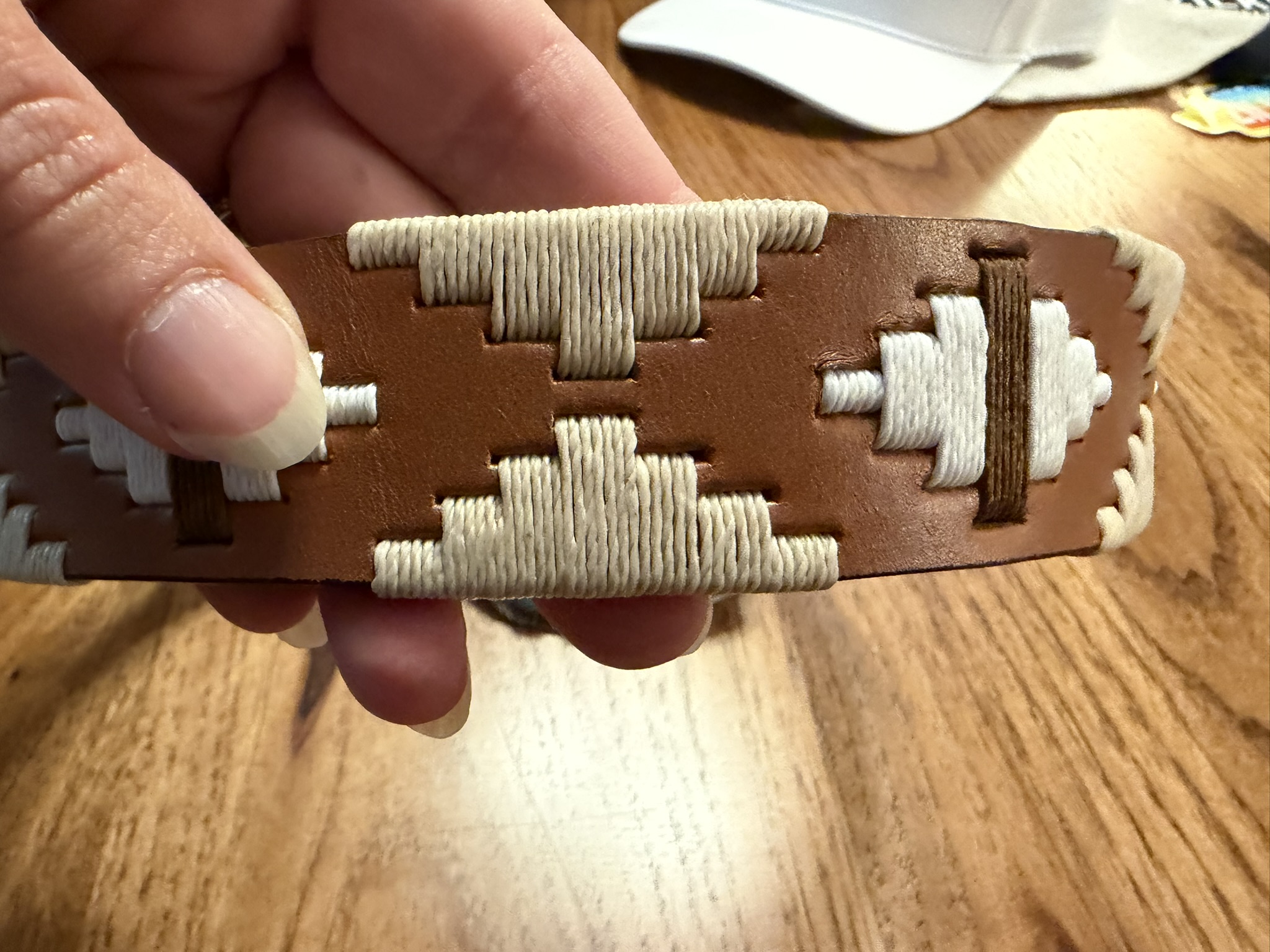
La Matera is difficult to replace exactly because the things people like about it do not all come from the same place. The leather, embroidery, woven styles, and Argentine equestrian influence can each be the thing that made someone stop scrolling.
If one particular La Matera belt is the one you keep reopening in your browser, I would probably buy that belt rather than spend less on something you will keep comparing back to it. But if the search started because of price, availability, or wanting the same general amount of personality in a different direction, there is a lot more to look at than the first brand that brought you into the category.