Full Grain Leather vs Bonded Leather? Picking the Right Leather for Your Belt
One of my uncles used to brag about how little he spent on leather belts. His calling card was to point to his belt while the family loitered in a lobby for post-church lunch, waiting to be seated, and to ask you to guess how much it cost.
The thing was, he always had a new belt. Every year I visited, he had a new belt. When I started wearing leather belts as an adult, he would try to compare prices and inevitably scoff at the “big city” prices I paid compared to the “deal” he scored.
At one point I tried to explain that not all leather belts are the same, that there is a difference between full grain leather and bonded leather, and that the reason he shows up with a new belt every six months while mine is the same every year is because of that difference in leather grade. So, like I told my uncle once upon a time, and like I’m telling you now, it’s important to understand the differences between leathers so you know how they age and what the real-world cost difference is over several years.
The Quick Breakdown
A full grain leather belt is an uncut piece of animal hide that preserves the strongest, uppermost fibers, whereas bonded leather is a processed, composite material in which pieces of shredded leather scraps are glued together on a synthetic backing.
So, let’s take a look at the differences that made my uncle roll his eyes (but still cling to his “deal”).
The Materials
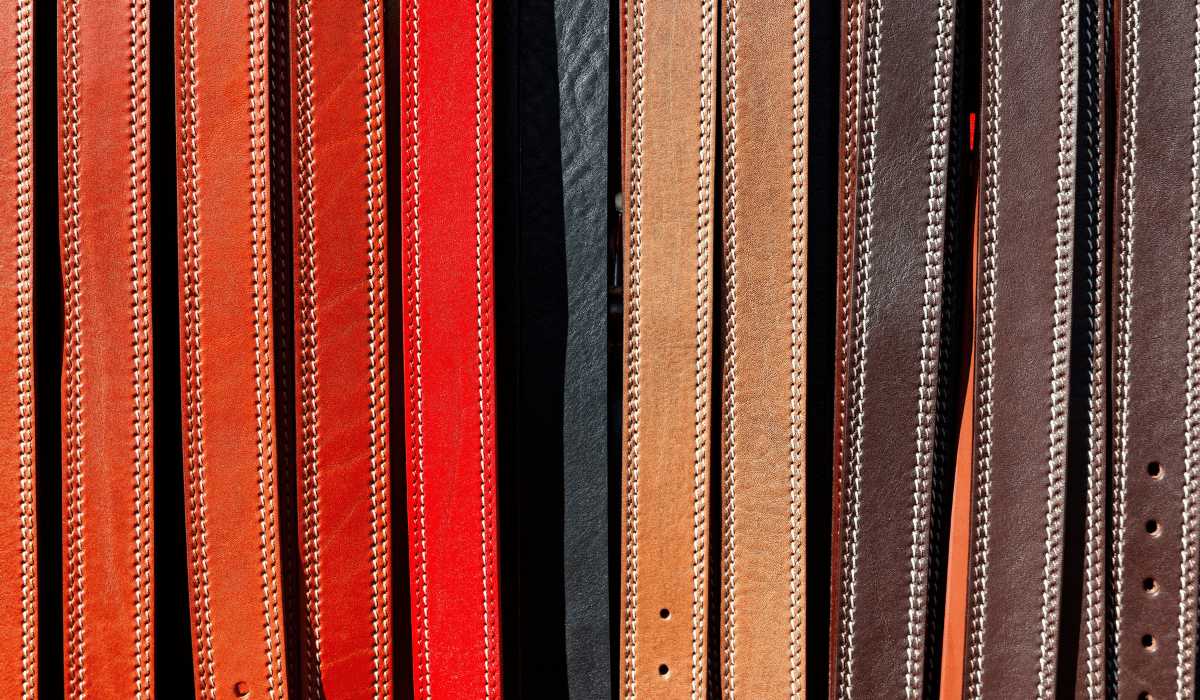
The biggest, most important difference when comparing full grain leather and bonded leather is the material and how each is constructed.
- Full Grain Leather: 100% solid, natural hide that hasn’t been messed with, cut, chopped, scored, or otherwise processed
- Bonded Leather: a polyurethane top coat over shredded leather pulp combined with plastic glue/latex binders and attached to a fabric or fiber backing sheet (so, definitely messed with)
Full Grain Leather
Full grain leather is taken from the topmost layer of the hide—the layer that rests right below the hairline. This is where the collagen protein fibers are most densely packed and interwoven. It’s why this part of your skin or animal hide is so strong.
- Zero Alteration: The surface is never sanded, buffed, or chemically shaved to mask natural variations.
- Stronger Integrity: Because the natural grain pattern remains completely intact, the leather has its maximum tensile strength, breathability, and puncture resistance.
- Natural Details: Natural details on the hide like light insect bites, stretch marks, or slight color variations from the pasture remain visible. I actually prefer seeing these in my leather products because they serve as unique representations of the animal’s life.
Bonded Leather
Bonded leather is like the plywood of leather. It is not a solid piece of hide but rather a highly processed composite.
To be clear, yes, there is still leather in it, just like plywood has wood pieces in it. However, it tends to fall on the lower tier of the grading spectrum because it sort of sits at the opposite end of the alteration, integrity, and detail categories I mentioned above.
- Lots of Alteration: When premium full grain or top grain leathers are cut and shaped, all the scraps, shavings, and leather dust left behind get collected and ground into a leather pulp. This gets mixed with high concentrations of polyurethane, latex, and liquid plastic glues. Then the slurry gets rolled out and pressure-shaped onto a synthetic backing material.
- Stronger Integrity: Because the bonded leather is a slurry of spare parts and glue, it does not have nearly the same integrity. If, for example, I missed the end of my cut on a full grain hide by two millimeters, I can’t just tear it apart the rest of the way with my hands. Conversely, I can tear and break off scraps before they are bonded with ease.
- Natural Details: Manufacturers tend to stamp the top of the solid slurry mix to mimic the visual pattern of genuine leather, so it will look like leather, but it will not have any of the natural imperfections that speak to a life well lived.
Note: Federal labeling guidelines stipulate that material can be called “bonded leather” while containing as little as 10% to 20% of actual leather fibers. The rest is simply a mixture of plastic, industrial glue, and fabric mesh.
With those differences in mind, it’s easier for you and my uncle (though he would never admit it) to appreciate how full grain leather belts from companies like Zilker are built for men who value authenticity over mass production, for those who want a belt that can transition effortlessly from active, outdoor utility to a sharp evening aesthetic without breaking down within six months.
A Texas native, my uncle grew up in a community that prided itself on genuine character and honesty. So, it only makes sense that wearing an imitation material that doesn’t last wouldn’t vibe with that—and it still doesn’t today. A full grain belt stands as an honest piece of leatherwork that embraces its natural scars, shifts color with real wear, and carries itself with unforced confidence.
The Aging Process
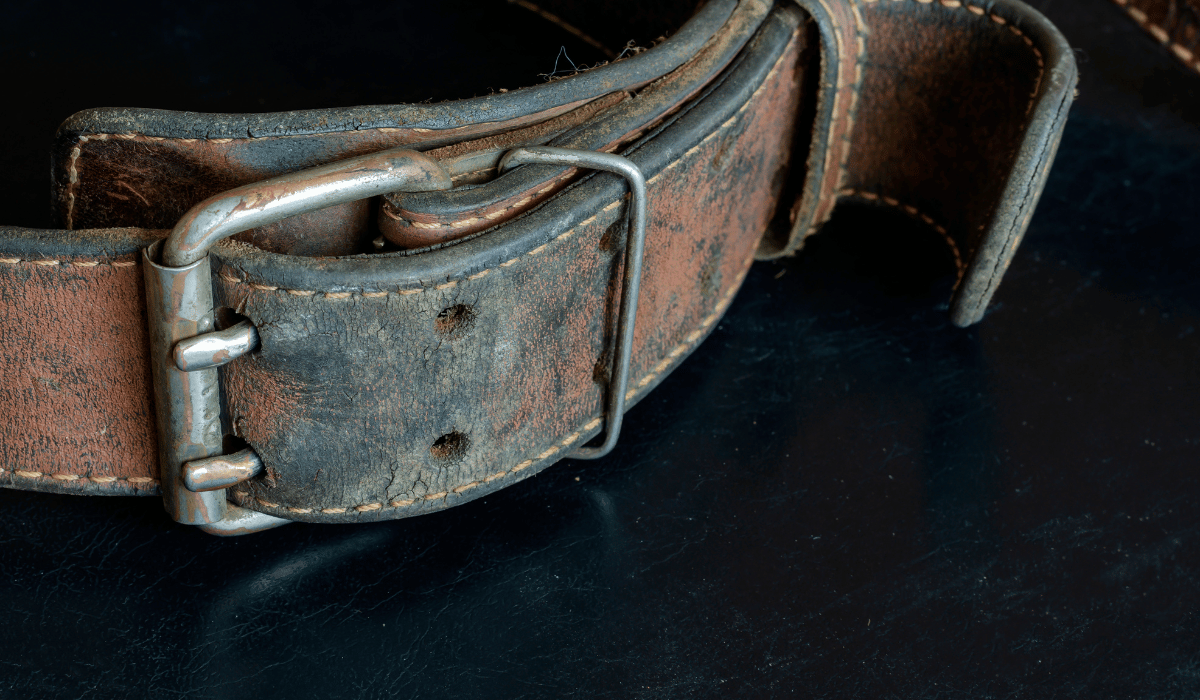
Now with material in mind, let’s look at the differences in how they age. Humidity, sweat, friction, and shifting waistlines subject a belt to constant mechanical stress. So, what is their projected timeline, relative to one another?
- Year 1:
- Full grain belts mold to your waistline, and the color (called the patina) begins to deepen.
- Bonded leather retains a stiff, uniform look, but the surface finish begins to dull.
- Years 2 and 3:
- Full grain softens completely, so the more you wear it, the more it develops unique character highlights. This is honestly my favorite part.
- Bonded will start showing creases and cracks as the top coat delaminates from fabric backing.
- Years 5+:
- Full grain gets physically stronger than day one.
- Bonded, as my uncle discovered, is disintegrated at this point and completely unwearable.
When looking at full grain leather versus bonded leather, you’ll notice the striking differences over time all relate back to the material being used.
How Full Grain Ages
A full grain leather belt doesn’t degrade with time. It changes—in my opinion, for the better.
When you put on your belt and move around naturally, that belt gets exposed not just to your body heat but also to the outside temperature. During this time, the dense internal collagen fibers will shift around and yield on a full grain leather belt. This means within a few weeks of wearing your belt constantly, belts like the Zilker Native will physically mold themselves to the contours of your waistline.
Then, because the natural surface pores are open and they don’t have any plastic sealants filling them up, the leather will absorb things in the environment like natural oils from your hands, ambient sunlight, moisture, and even indigo dye from raw denim jeans.
All of these things in your environment darken the leather with time and polishes off the areas subjected to the highest friction. This is called a patina, as I mentioned before, and it highlights the natural variations in the grain. No matter what, patina can’t be manufactured, faked, or replicated in a lab, so it remains a testament to how you and that animal have lived.
How Bonded Leather Ages
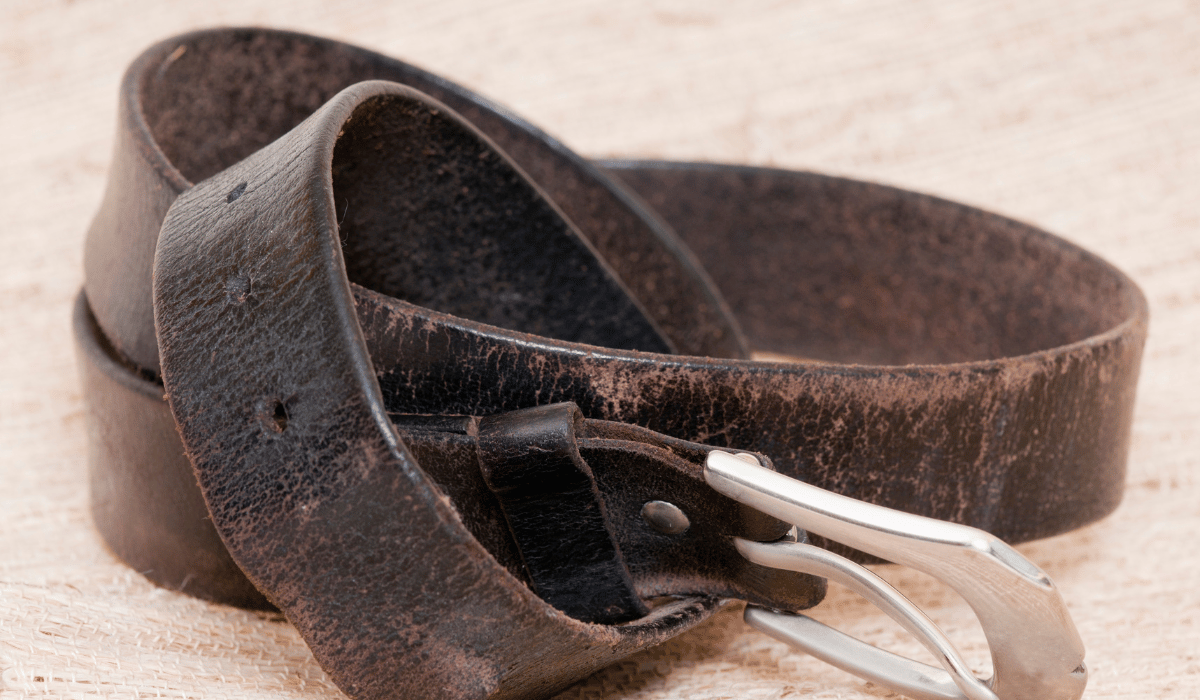
By comparison, bonded leather is basically at its finest when it’s brand new, and you have a steep trajectory of decay after that. The bonding process relies entirely on artificial chemicals to maintain shape, so you don’t get the natural flexibility of a solid hide.
As you are moving around and taking your belt on and off, it has to bend pretty sharply every time you sit or lean. With a bonded material, those repetitive stress points actually cause the internal plastic glues to fatigue. And, because the surface layer can’t compress or stretch naturally, it creates permanent white creases.
With time, that synthetic polyurethane top coat actually detaches, and that’s when the fake grain will start to peel away, usually in ugly flakes. Once that outer plastic is breached, there’s nothing to maintain the structural integrity of the leather pulp, and that’s when your belt holes start to stretch and your belt starts to tear with everyday use.
Once this happens, you can’t repair or restore the belt. Its life is over.
Importantly, reconstituted bonded belts rely on heavy synthetic chemical binders and plastic glues that do not biodegrade, quickly piling up in municipal landfills as disposable waste. A vegetable or oil-tanned full grain belt is a natural, durable piece of craftsmanship that can stay out of the waste stream for decades.
The True Cost of Ownership
When you look at material and aging, you can start to see that there is a difference in the true cost of ownership when comparing full grain leather vs. bonded leather. But just out of curiosity, I actually did the math one time for my uncle—and now for you.
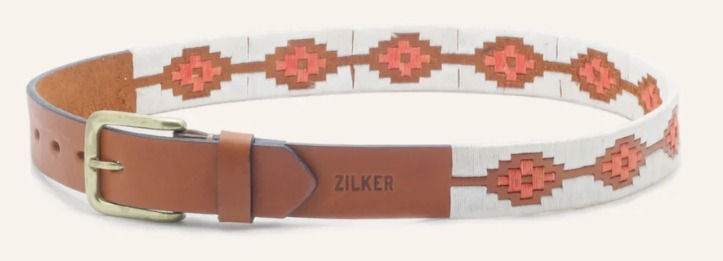
For this analysis, I’m looking at the cost over a standard five-year window for a leather belt that sees continuous use, comparing a bonded leather belt to Zilker’s ATX Light:
| Metric | Full Grain Leather Belt | Bonded Leather Belt |
| Initial Cost | $125 | $35 |
| Average Lifespan | 10 to 20+ Years | Six to 12 Months |
| Replacements Required (Over a Five-Year Period) | 0 | 5 |
| Total Cost (Over a Five-Year Period) | $125 | $175 |
| Real Cost per Year of Use | $25 | $35 |
As you and my uncle can see in this table, you end up spending more on a bonded leather belt because you have to replace them so frequently and, in the end, they simply don’t function as well.
Now, this table is only for five years. The math gets less favorable toward bonded leather belts the longer you wear a belt.
It’s important to look at the scale of cost in this way because when you first walk into a store and see that a bonded leather belt looks like it’s 73% cheaper on the rack, you’re probably going to immediately lean toward that belt. (I know I do.)
My gut instinct is to always look at the cheaper item.
But my second gut instinct is to look at why that item is cheaper… because there’s always a reason.
If I know that something is going to structurally fail within one year and I’m going to have to continue to go back to the store to buy another one, or more of it, or I know that a cheap material might result in me standing in front of a boardroom giving a presentation with a cracked belt, I’m going to give that more expensive belt a second and more serious glance.
Investing in full grain leather allows you to buy the item once, secure peace of mind, and watch the cost per wear drop steadily toward pennies with every passing year.
Identifying the Inventory
So, if you’re out shopping, how do you tell the difference?
Spotting a Full Grain Product
With full grain leather, you’ll often see an organic, non-repeating design on the outside. Sure, it might be tanned or dyed, but you’ll still be able to see things like slight grain changes or subtle stretch marks. You’ll also be able to smell the difference (if you have that option), because high-quality full grain leather has a natural scent of clean hide, oil, and earth.
If you can, you should also inspect the edges. Premium construction usually has a raw cut or hand-burnished edge.
Product Profile: The Artisan-Crafted Full Grain Belt
- Material: cut from a solid nine-ounce or 10-ounce piece of vegetable-tanned or oil-stuffed full grain steering hide
- Hardware: outfitted with solid, sand-cast brass or stainless-steel buckles secured by functional Chicago screws or heavy-duty hand-set copper rivets
- Best Suited For: daily wear alongside dark selvedge denim, rugged canvas work pants, or classic tailored chinos for a sharp look at the office or out on the town
- The Wear Experience: starts stiff and substantial, then rapidly softens within weeks to fit your body, developing a personalized, deep golden-brown patina over years of reliable use
Spotting a Bonded Product
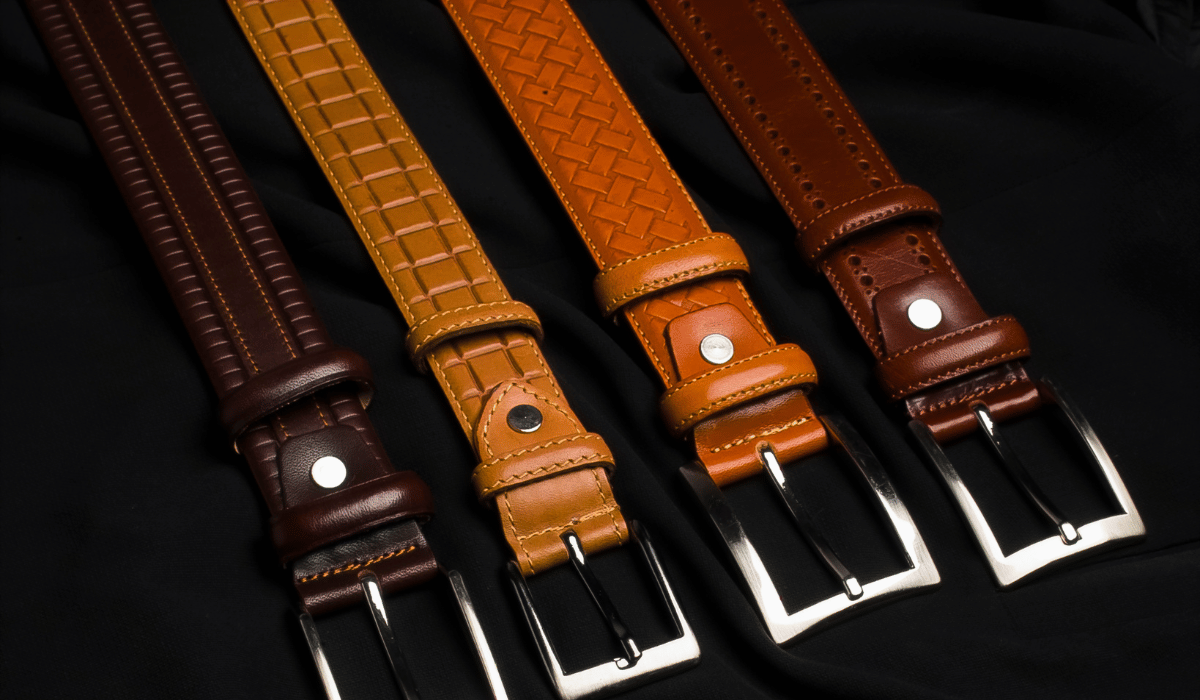
You might see a good belt for a cheap price at the store, but if it has an immaculate, stamped pebble or crosshatch pattern every few inches, that uniformity means it’s probably bonded. The edges are usually encased in a thick, rubbery sealant or folded over and stitched.
If you smell it, you’ll get a sharp chemical aroma instead of the organic scent of leather.
Product Profile: The Mass-Market Dress Belt
- Material: a thin multilayer strap featuring a paper-thin embossed plastic skin bonded over a core of compressed leather scrap pulp and synthetic fabric lining
- Hardware: equipped with lightweight, hollow zinc-alloy or plated base-metal buckles that feel cold, light, and brittle to the touch
- Best Suited For: short-term, occasional use when an inexpensive, temporary placeholder is needed for a single event
- The Wear Experience: feels completely smooth and flexible on day one but quickly begins to split, wrinkle, and peel around the most-used belt holes after only a few months of continuous wear
Summing Up
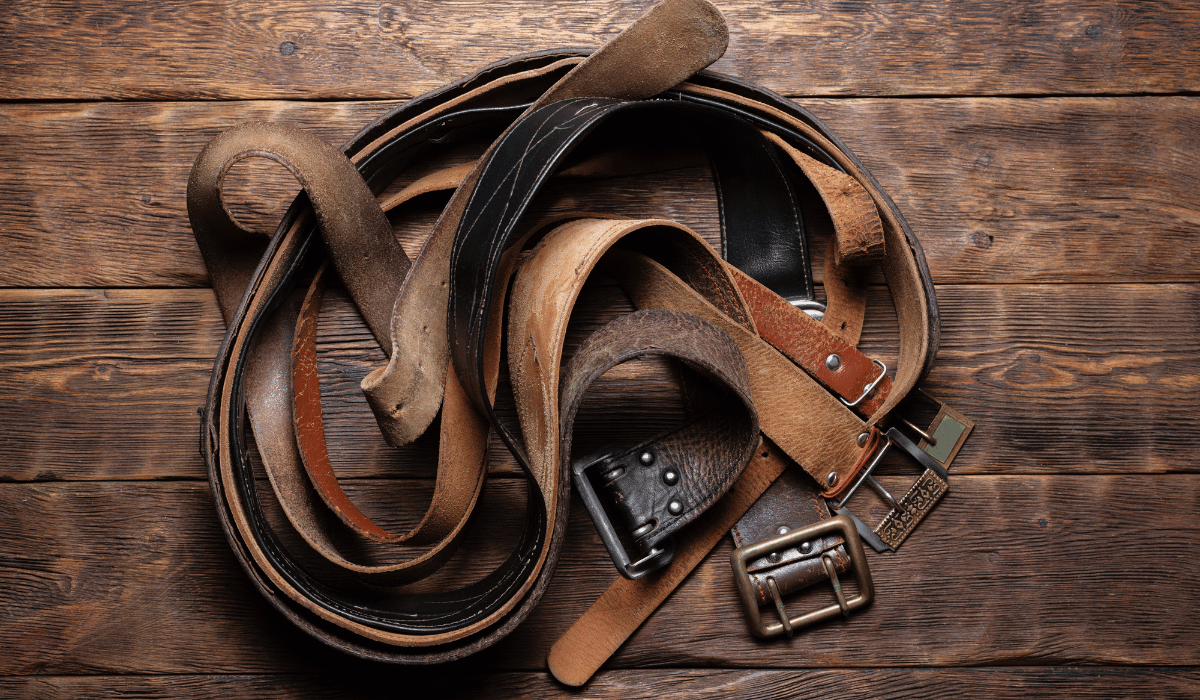
When shopping for belts, my advice is simple: Don’t be like my uncle and focus only on the initial price, especially if you value something that’s going to last and make you look and feel good.
In other words, a bonded belt offers a temporary solution built on synthetic imitation. A full grain belt provides an honest, reliable piece of craftsmanship that ages with distinction, saves you money over the long haul, and carries a story worth telling.
Choose quality once, let it build its own unique character through years of use, and wear it with pride.