Zilker Belts vs La Matera: Which Belt Brand Would I Choose?
When I first compared Zilker Belts vs La Matera side by side, I thought I was looking at basically the same belt at two different prices. Both brands have beautiful leather belts with colorful stitching, both pull heavily from Argentine craftsmanship, and from a few feet away, there are styles from each brand that could easily live in the same closet.
My immediate reaction was pretty simple: If I like both and one costs less, why would I spend more?
A belt over $100 is already a purchase that deserves more thought than the random brown belt you order because you realize you need one before the weekend. At this price, the stitching, leather, and story behind it should give you some reason to choose that particular belt, because otherwise there are plenty of cheaper ways to keep your pants up.
Once I spent more time shopping both brands, I stopped seeing them as quite so interchangeable. There is plenty of overlap in the craftsmanship and overall look, but La Matera takes that Argentine influence in considerably more directions. Zilker has a more edited collection that leans into particular places, interests, and personalities, and the price difference between comparable styles is large enough to deserve some attention.
At a Glance
| Category | Zilker Belts | La Matera |
|---|---|---|
| Typical Price of Comparable Styles | Many core belts around $125 | Many woven and polo belts around $195 |
| Overall Style | Colorful and casual, with strong Austin, Texas, music, and Western influences | More traditional Argentine and equestrian influence, with a broader range of looks |
| Construction | Many classic styles using Argentine leather and colorful nylon thread; hand-stitched in Buenos Aires | Broader mix of woven, polo, leather, stretch, and other constructions |
| Selection | More edited collection with collaborations and place-based designs | Much larger range, including woven, polo, stretch, limited-edition, and more unusual leather styles |
| Changeable Buckles | Available on certain styles | Dedicated styles with removable buckles available |
| Sizing | Generally 2–3 inches above jeans size | Generally at least 2 inches above pants size |
| Returns and Coverage | 90-day returns or exchanges on qualifying unworn items; 100% customer guarantee on failed belts/buckles | Shorter initial return period, plus a lifetime guarantee for qualifying construction and hardware defects |
Prices, policies, and construction vary by product, so it’s still worth checking the individual belt before ordering rather than assuming every style from either company is made the same way.
Craftsmanship
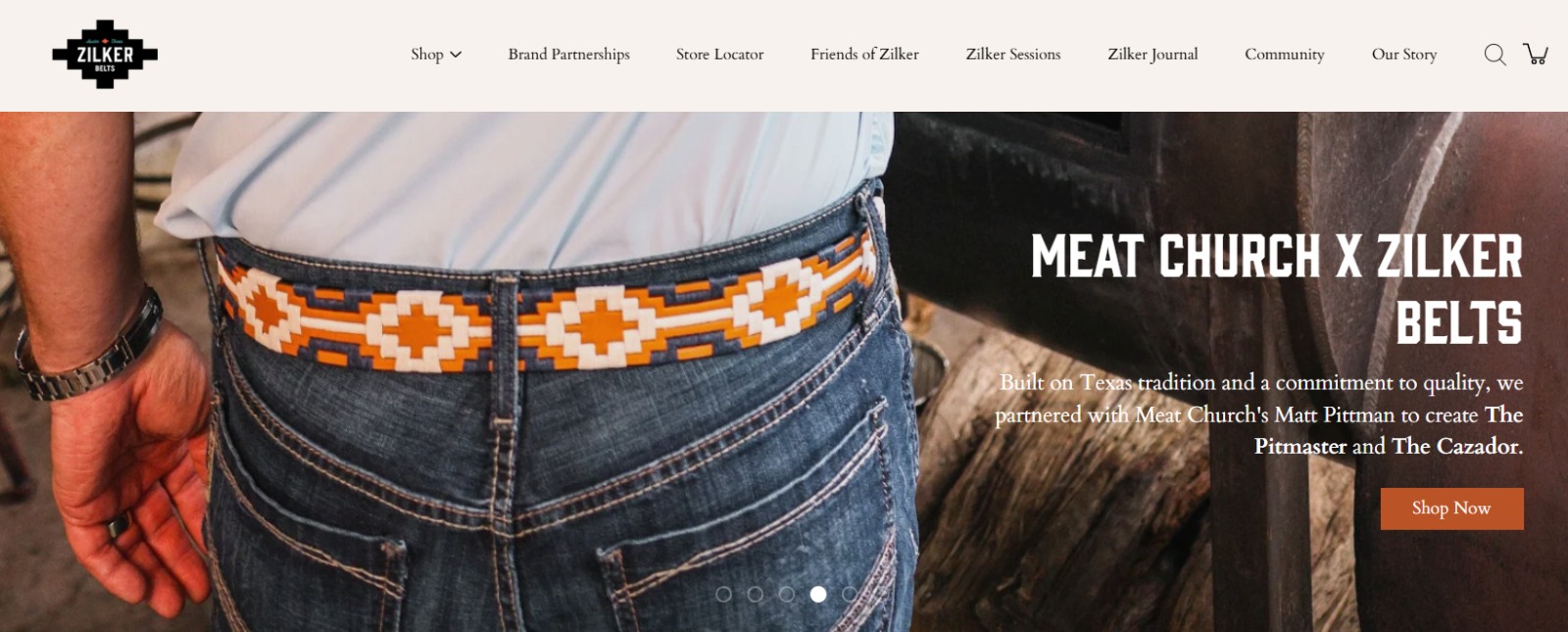
Zilker and La Matera look similar at first because there is a legitimate connection between them. Both draw heavily from Argentine leatherwork, where colorful stitching and woven patterns are often part of the design rather than hidden construction details.
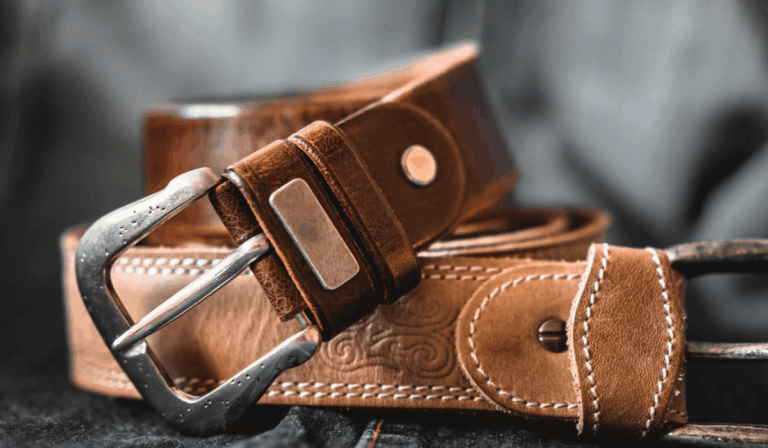
Many of Zilker’s classic styles use Argentine leather with colorful nylon thread and are hand-stitched in Buenos Aires. The Rambler, for example, combines light brown Argentine leather with white stitching, while other styles, like the Cowboy, change the leather, thread colors, and patterns. The stitching is a large part of what you notice about the belt rather than something hidden inside the construction.
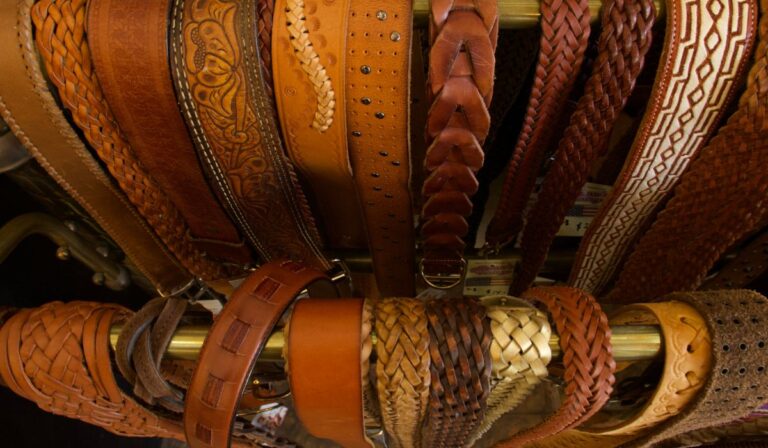
La Matera starts in a similar place, but its collection branches out much further. There are traditional polo belts, with the colorful woven or stitched patterns associated with Argentine polo culture, along with hand-woven styles, stretch belts, and other constructions. On certain woven belts, such as the Pinamar, La Matera gets very specific about materials such as hand-woven Argentine fabric, full-grain vegetable-tanned leather, and solid brass hardware. Those details tell you more about what you’re paying for and show why comparing two stitched leather belts does not tell you everything the company sells.
The visible hand work is one of the things I like about both brands. If you’re paying more for something made by hand, it’s nice to be able to see some evidence of that work instead of finding the craftsmanship buried somewhere inside the product description. Here, the stitching is decoration and construction at the same time.
I’m not going to turn putting on a belt into a spiritual practice, but knowing a little about where something came from and being able to see the work involved does make it more interesting to own.
Why the Style Feels Familiar
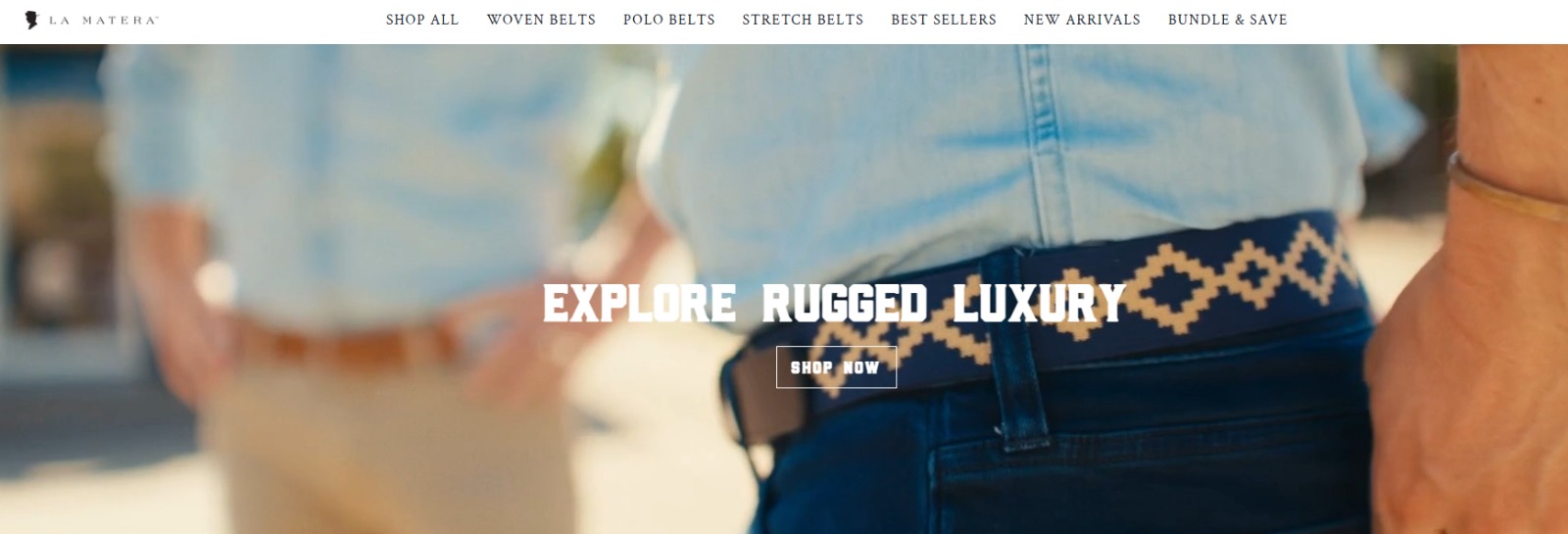
Part of my reaction to these belts probably comes from having been around this style long before I was comparing belt companies online. I’ve been to Argentina, spent time around gauchos and their horse culture, and visited La Dolfina Polo Club. I’ve also watched polo at Palermo in Buenos Aires, one of the major venues for the sport, and when you’ve been around the horses, leatherwork, and clothing there, this general aesthetic feels like part of a much larger culture rather than something that appeared recently because Western clothing has come back around.
I have ridden and shown horses for years, played polo, and worn plenty of belts with interchangeable buckles, so heavier leather and visible stitching feel familiar to me. That being said, you do not need any connection to horses to wear this style. With jeans, khakis, or a fairly simple outfit, the belt can carry some of the personality without requiring the rest of your clothes to announce that you may or may not own a horse.
With belts that pull this much from polo and equestrian style, I can understand wondering whether they cross the line from referencing the style into looking a little costume-y. To me, these still sit firmly on the everyday-wear side of that line.
Shopping Experience
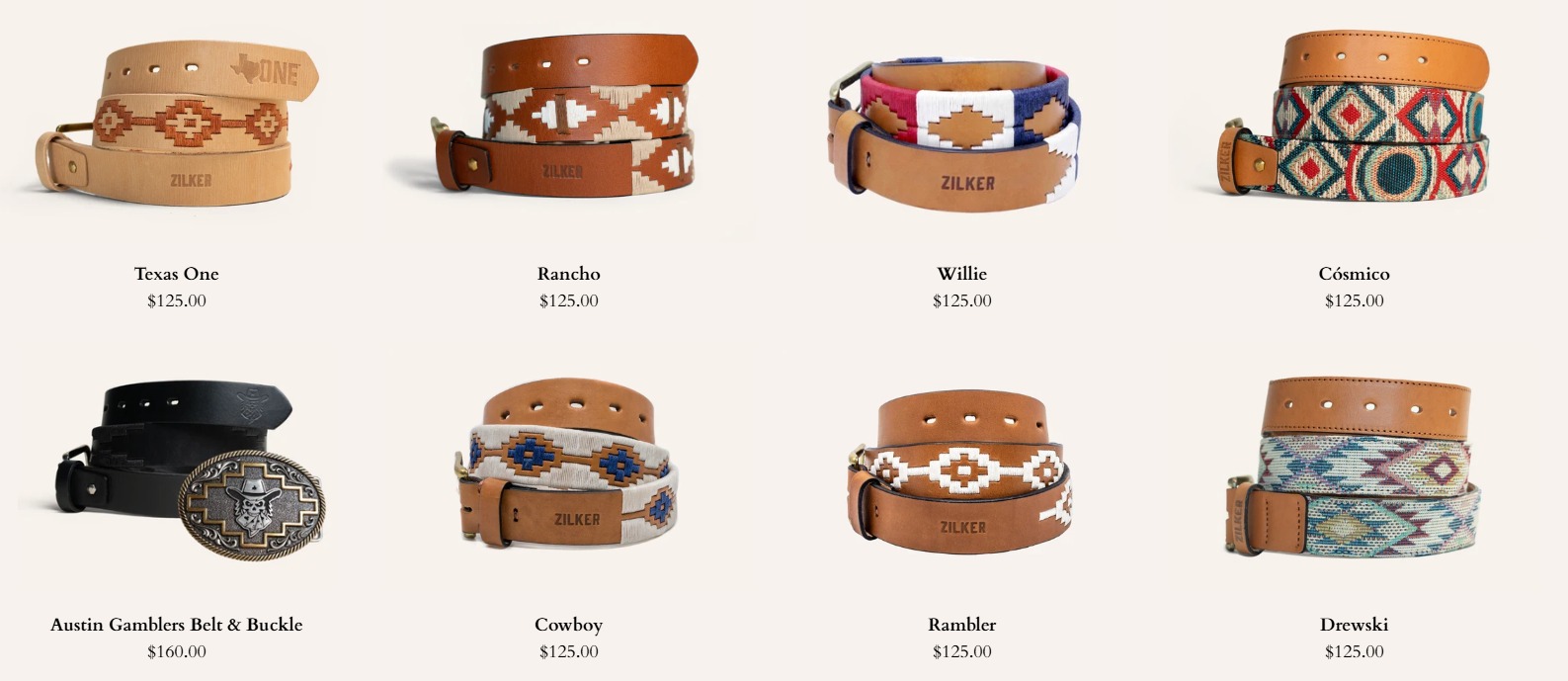
The two sites organize the shopping process a little differently. Zilker’s all-products page puts a long run of belts together with names, prices, and a Quick View option, so it’s easy to scan several designs without opening every product page. That worked well for me because a lot of the differences come down to small changes in leather, thread color, or stitching pattern. I could get a sense of what I liked pretty quickly instead of clicking into every belt just to compare a few details.
La Matera’s all-belts page has more filtering options, including size, fabric or embroidery color, and leather color. If you already know you want brown leather with blue stitching, for example, you can start cutting down the collection that way.
However, I still got to a short list faster on Zilker. La Matera’s filters are handy once you have some idea of what you want, but the product images take up much more of the screen. I found it harder to step back, scan several options at once, and see which designs immediately jumped out at me.
Names and Personality
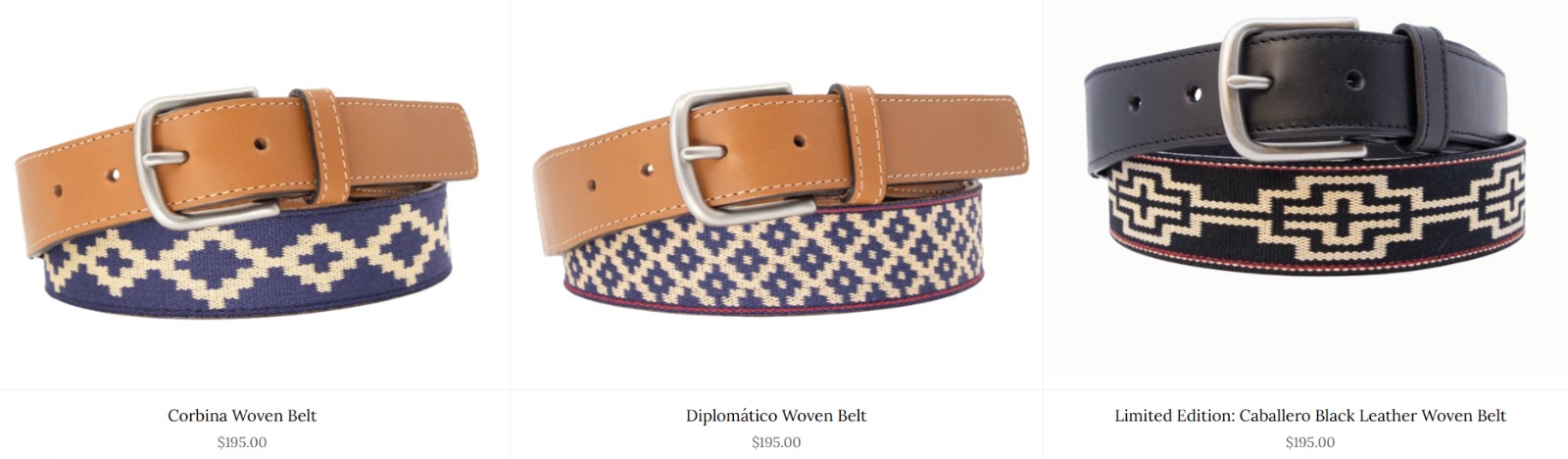
The product names also change how the two collections feel while you’re shopping.
Zilker has belts called Rambler, Cowboy, Moontowers, Maverick, Antone’s, and Texas Exes, and several of those names connect to actual places, organizations, or parts of Austin culture. Antone’s takes its name from the longtime Austin blues venue, while other designs pull from Texas, the University of Texas, local landmarks, and overall Western style.
La Matera’s naming feels different. Names such as Corbina, Diplomático, El Campo, and Estrella lean more heavily into the Spanish language and the Argentine influence behind the brand. They still give the individual belts some personality, but they do not tell you quite as much about the person you might be buying for before you click.
Zilker’s names tend to point toward an interest, place, or community, while La Matera’s feel more connected to the overall world the collection is trying to evoke.
This can make gift shopping a little less abstract. A belt connected to Austin music, Texas, Western style, or a particular place may immediately remind you of someone, rather than leaving you to determine whether a man who owns six pairs of jeans secretly identifies more strongly with navy thread or hunter green.
More Variety
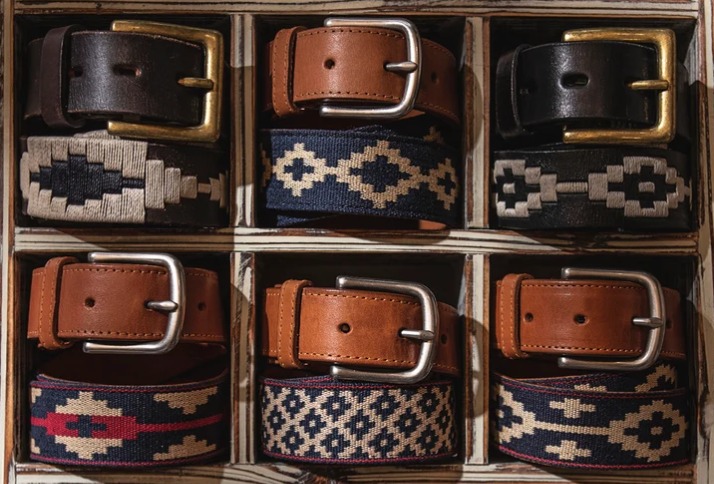
La Matera has many more directions to explore once you start browsing.
Its assortment includes woven belts, polo belts, stretch styles, more unusual leather designs, and limited editions, so “more selection” does not just mean 20 extra color combinations. You can move into a genuinely different construction while staying within the same brand.
Someone who likes the Argentine influence but has not settled on one particular version of it has more room to wander here. A woven belt has a different texture and feel from a traditional stitched leather belt, and the stretch styles go in another direction entirely.
The styles with removable buckles are also worth a look if you already own a buckle you want to use, because the original buckle can be taken off and replaced with your own. I spent years wearing belts with my own buckles while showing horses, so this is one feature I tend to look for.
Zilker offers removable buckles on certain products, too, but this is something to check on the individual style rather than assume across either brand. La Matera also charges more for some of its dedicated changeable-buckle styles than for its standard woven belts. If your own buckle is the reason you are shopping, I would compare those products directly instead of relying on the brands’ starting prices.
Overall, La Matera comes across as more traditional and polished, although its larger collection makes the brand difficult to put into one aesthetic box. The woven polo styles, stretch constructions, and more unusual designs go well beyond the stitched leather belts that first made the two brands look so similar to me.
Price

Anything more than $100 for a belt makes me hesitate a little because, no matter how beautiful it is, we’re still talking about a belt. I’m much more willing to spend that kind of money when I can see why it costs more. Hand work, good leather, and a design that feels like an intentional part of my wardrobe can usually get me there.
Many of Zilker’s core styles are currently around $125, while several comparable La Matera woven and polo belts are around $195. A $70 difference is enough that I would want something specific from the La Matera belt, whether that is a particular weaving, a different construction, or simply a design I like more.
If two comparable stitched leather belts appeal to me equally, I have a hard time finding a reason to pay more. La Matera starts to justify the higher price when I move into parts of its collection that Zilker does not really duplicate.
Both brands offer strong protection after the initial purchase. La Matera’s lifetime guarantee covers qualifying defects involving areas such as hardware and construction, while normal wear, aging, and accidental damage are excluded.
Zilker also offers extended coverage, though structured a bit differently: Under its initial return or exchange policy, your belt is covered for just 90 days. However, should a belt or buckle fail after that 90-day period, Zilker’s 100% customer guarantee kicks in, and you can reach out well past that initial return period to get help.
I like having that protection on something expensive, especially if I expect to keep it for years. La Matera’s guarantee could make me feel better about buying a belt I already wanted, but the warranty alone would not convince me to choose it.
Sizing
I have bought belts before when I clearly did not understand what the number on the tag meant, ended up with one much too large for me, and then solved the problem by punching extra holes in it instead of returning it. It technically worked, but the end wrapped so far around my waist that I probably should not use that purchase as evidence of my expertise.
Luckily, both companies give very clear sizing guidelines.
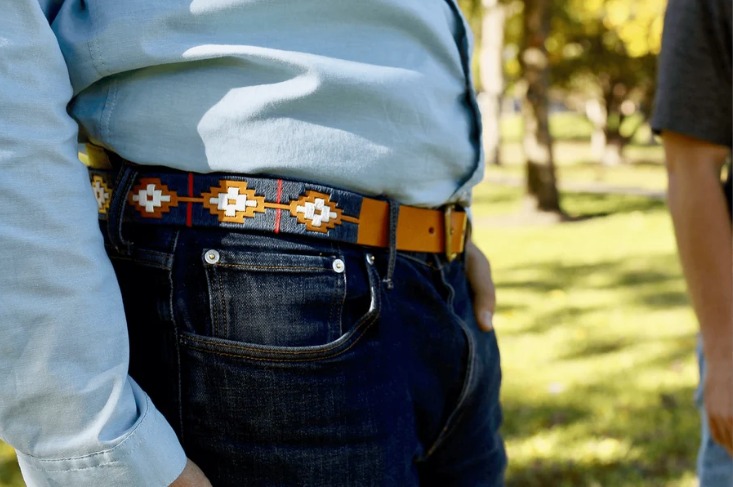
Zilker generally recommends ordering an adult belt about two or three inches larger than your jeans size. If you wear a 30, for example, you would typically order a 32 for your belt. La Matera gives similar guidance and recommends going at least two inches above your pants size, with additional room if you’re between sizes.
I’m glad both give examples because belt sizing has never felt especially intuitive to me, and discovering that you misunderstood the size chart is considerably more annoying after spending this much on a belt.
Zilker also describes its standard adult belts as unisex, which works well for how I’ve always shopped anyway. I wore men’s belts for years because I used interchangeable buckles, and I often found that they had thicker leather and sturdier construction than many of the women’s options available at the time. I care much more about whether the belt fits, works with the buckle I want to use, and looks good with my clothes than which section of the store somebody decided it belongs in.
Which Would I Buy?

For my own closet, I would go with Zilker. I went into this comparison expecting price to be the main reason, but after spending time on both sites, I also preferred how quickly I could narrow the collection and the kinds of designs I kept coming back to.
La Matera became more interesting once I moved away from the closest lookalike styles. The woven designs, stretch belts, and removable-buckle options start taking the comparison somewhere Zilker cannot always follow. Its lifetime guarantee also offers much longer protection if that’s something you care about.
Between two similar stitched leather belts that I liked equally, though, I would still choose Zilker. La Matera would have to win me over with a particular belt—but there are enough different ones in its collection that I could see that happening in the future.